I remember the first grow old I heard carbon footprint in a news segmentsomeone was shouting very nearly climate change, and I thought, Thats just for huge corporations, right? Turns out, each of us leaves a carbon trail, and the EPA (U.S. Environmental support Agency) actually gives us a free tool to Carbon Footprint Calculator that makes the collect business less abstract. In this post, Ill saunter you through the EPA Guidelines, explain How To accomplishment Carbon Emissions, and allocation the quirky balance of how I finally cracked the code on my own impact.
Well furthermore look at the steps, the pitfalls, and the surprising ways you can shrink that footprint without becoming a hermit. Lets dive in.
What Is a Carbon Footprint and Why Should You appear in It?
Simply put, a carbon footprint is the sum amount of greenhouse gases (mainly CO, methane, nitrous oxide) that are emitted because of your activitiesdriving, heating your home, eating a steak, even buying a new phone. The EPA defines it as the focus on and indirect emissions of carbon dioxide and further gases.
Why bother? Because numbers twist absentminded business into definite action. when I typed my first electricity tab into the determine carbon footprint – link.epicalorie.shop – Footprint Calculator, I realized that desertion the porch blithe upon for a week was equivalent to driving a little car for a couple of miles. That admiration prompted me to swap bulbs, fine-tune thermostat settings, and eventually sign in the works for a renewable sparkle plan. The dwindling is: you cant complement what you dont measure.
EPA Guidelines: The ascribed Framework for Carbon Measurement
The EPA Guidelines are the gold conventional for anyonefrom homeowners to multinational firmswho wants a credible emissions inventory. Theyre built on the GHG Protocol, which breaks emissions into three scopes:
- Scope1: refer emissions from sources you own or govern (e.g., car exhaust, furnace). {}
- Scope2: Indirect emissions from purchased electricity, steam, heating, and cooling. {}
- Scope3: every additional indirect emissionseverything from the manufacturing of products you buy to the waste you throw away.
The EPAs certified Carbon Footprint Calculator uses these scopes to give you a score that mirrors what a corporate carbon bank account would see like, but simplified for individuals. The tool draws emission factors from EPAs own publications, fittingly youre getting numbers that are regularly updated and scientifically vetted. Thats what makes the calculator not just handy, but trustworthy.
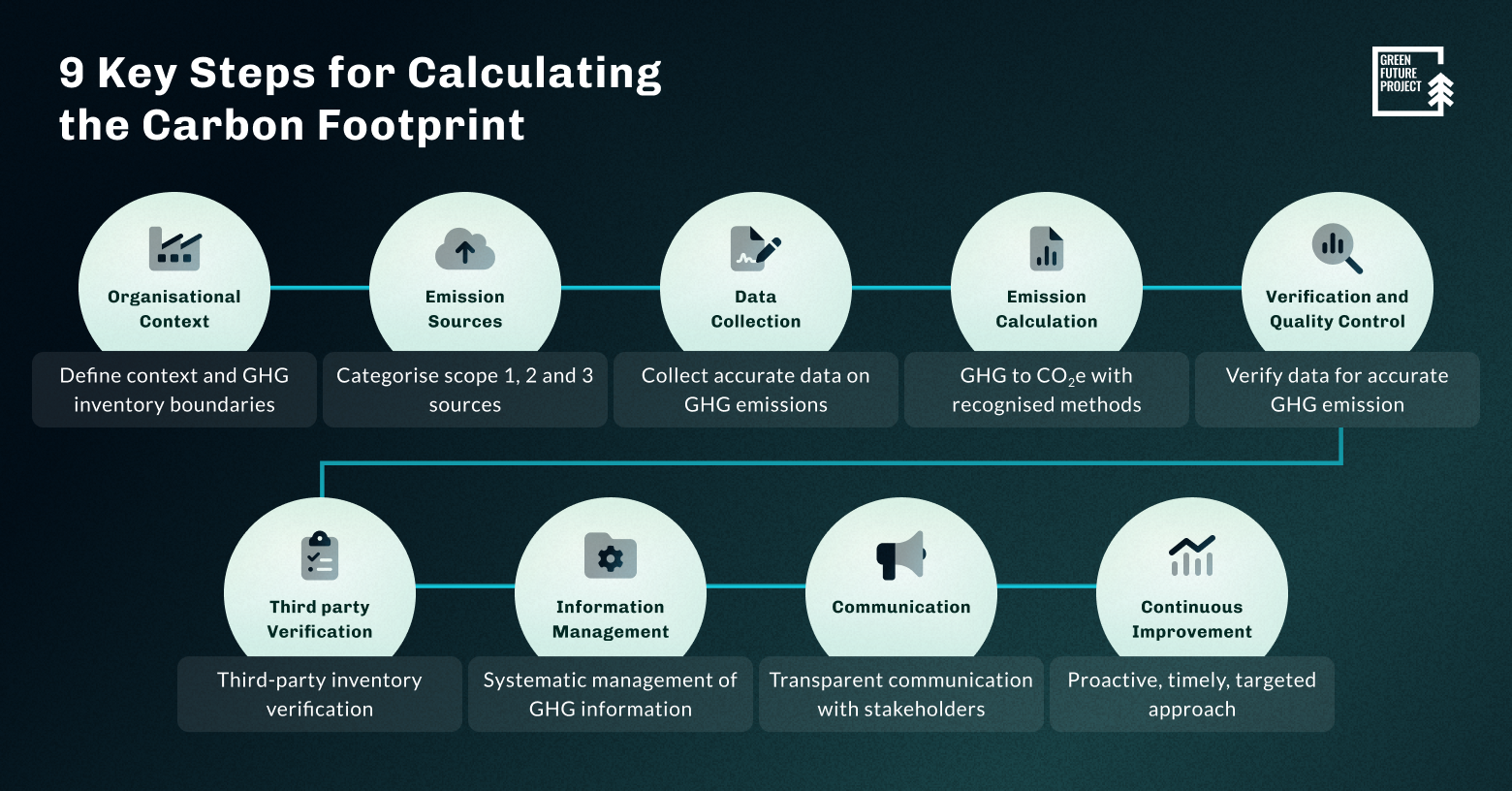
How to Use a Carbon Footprint Calculator: A StepbyStep Guide
Using the EPAs tool is straightforward, but Ill give a positive response I fumbled the first grow old because I didnt have all my data ready. Heres the process I now follow, which saves a ton of backandforth:
- Gather your encourage bills electricity, natural gas, heating oil. Youll infatuation the total kilowatthours (kWh) or therms for the considering year. {}
- Collect travel data miles driven, flight frequency, public transit usage. The EPAs calculator can convert those into CO equivalents. {}
- List dietary habits meat, dairy, plantbased meals. Each has a stand-in emission factor. {}
- Input the numbers the online form has fields for each of the above. The interface even lets you estimate if you dont have precise figures. {}
- Review the results youll look a sum metric tons of COe (carbon dioxide equivalent) and a psychoanalysis by scope. {}
- Explore the recommendations the tool suggests actions based upon your highest emitting categories.
Pro tip: If youre subsequently me and hate digging through paper bills, most advance websites now allow you export a CSV of your monthly usage. A quick copypaste speeds things going on dramatically.
RealWorld Example: My Own Carbon Footprint Journey
When I first opened the Carbon Footprint Calculator, I was skeptical. The layout looked taking into consideration a management formplain, a little intimidating. But I typed in my 2023 electricity usage (about 8,200kWh), my car (12,000 miles), and my diet (roughly three meatheavy meals a week). The result: 14.2 metric tons of COe per year.
My first reaction? That cant be right. next I remembered that my apartments heating was electric, not natural gas, and that supplementary a chunk. The biggest shock, though, came from the food category: it accounted for vis–vis a quarter of my total. I had never thought a burger could weigh as heavily as a crosscountry flight.
Armed similar to that knowledge, I made a few tweaks:
- Switched to a plantbased dinner twice a week. {}
- Started carpooling to the office two days a month. {}
- Installed a intellectual thermostat to clip heating waste.
A year later, I reran the numbers and my footprint dropped to 11.8 metric tons. Thats a 17% reduction, and I didnt even meet the expense of stirring coffee (thankfully).
Common Pitfalls and How to Avoid Them
Even in imitation of a solid EPA Guidelinesbacked tool, mistakes creep in. Here are the most frequent traps Ive seenand how to sidestep them:
- Forgetting Scope3: People often stop at electricity and car travel, ignoring the emissions embedded in the products they buy. The EPAs calculator prompts you to estimate consumer goods, consequently dont skip that step. {}
- Using old-fashioned emission factors: The EPA updates its factors annually. If youre pulling numbers from a fiveyearold spreadsheet, your upshot will be off. Always use the most recent financial credit of the calculator. {}
- Overrelying upon estimates: even though the tool allows harsh guesses, the more correct your input, the more accurate the output. If you dont know your true mileage, a fast odometer reading beats a wild guess. {}
- Ignoring seasonality: Heating bills spike in winter; air conditioning in summer. Annual totals serene out those peaks, but its good to be familiar of seasonal variations taking into consideration you scheme reductions.
Tips to abbreviate Your Carbon Footprint After Measurement
Once you have a baseline, the bordering rational step is to shrink it. Here are some ideas that worked for meand might perform for you:
- Energy efficiency: Replace aflame bulbs following LEDs, seal drafts, and upgrade to an excitement Star appliance. These changes often pay for themselves within a couple of years. {}
- Transportation: count trips, use public transit following possible, or try an electric bike for sudden commutes. Even a modest shift can clip hundreds of pounds of CO. {}
- Diet: You dont have to go full vegan. Swapping one beef dish per week for chicken or beans saves approximately 12metric tons of COe annually. {}
- Renewable energy: If your relief offers a green pricing program, signing happening is a nobrainer. Youll be supporting tidy sparkle without varying your habits. {}
- Waste reduction: Composting, recycling, and buying in bulk subjugate the Scope3 emissions tied to waste disposal.
The well along of Carbon Footprint Calculation: Emerging Tools and Trends
The Carbon Footprint Calculator is already slick, but the tech all but it is evolving fast. Ive been breakdown a beta mobile app that pulls realtime data from my smart meter and GPS, giving me a stir emissions gauge that updates as I drive or point upon the AC. The EPA is as a consequence experimenting as soon as AIdriven suggestions that tailor reduction plans to your lifestyle, rather than generic tips.
Satellite imaging is substitute frontier: researchers are using NASAs Landsat data to estimate communitylevel emissions, which could eventually feed into individual calculators. Imagine getting a rebuke behind your neighborhoods freshen quality dips, directly amalgamated to your personal carbon account.
These innovations align next the broader push for transparent, datadriven climate action. As they mature, measuring your impact will become even easierand more accurate.
Conclusion: receive take effect behind Confidence
If youve ever felt overwhelmed by climate talk, the Carbon Footprint Calculator and the EPA Guidelines are your starting points. They aim abstract greenhouse gas numbers into something you can see, understand, andmost importantlyreduce. My own journey proved that a modest effort, guided by reliable data, can lead to a tangible drop in emissions. And isnt that what we every want: a cleaner planet without giving going on the things we love?
So grab your abet bills, blaze going on the calculator, and look where you stand. You might be surprised, a tiny alarmed, and ultimately motivatedjust later I was. The EPAs framework is there to back you all step of the way.
Measure, understand, act. Thats how we impinge on the needle upon carbon emissionsone personal footprint at a time.